
The Texas Hill Country’s Famous Live Oak — And Its Not-So-Glamorous Spring Shed
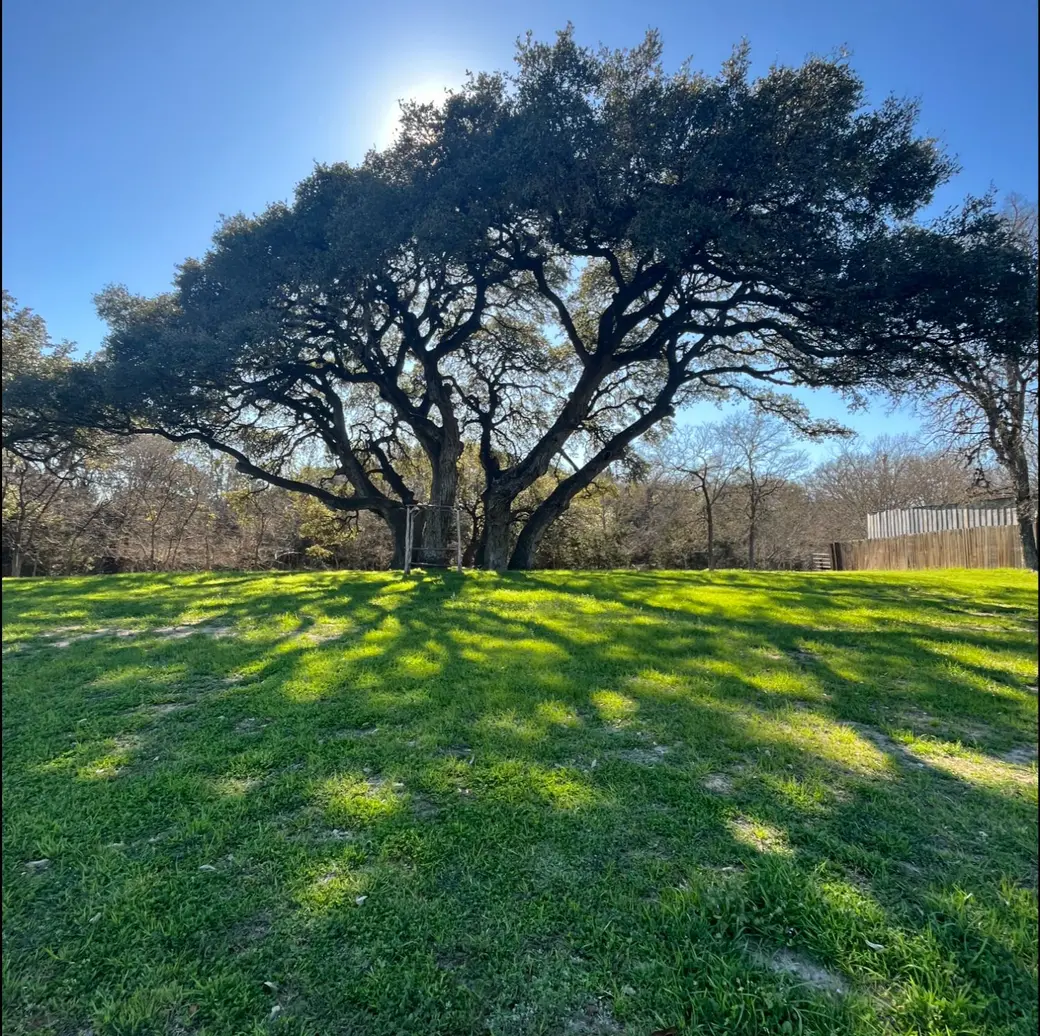
The Texas Hill Country’s Famous Live Oak — And Its Not-So-Glamorous Spring Shed
If you’re exploring investing in a home in the Texas Hill Country, particularly in late February or early March, you may notice something that feels… unsettling.
The redbuds are blooming. Native grasses are greening up. Wildflowers are beginning their annual show. And yet, the grand live oaks — the very trees that define the Hill Country landscape — are turning yellow and dropping leaves in waves.
For buyers relocating to the Austin/San Antonio area, the reaction is understandable:
Is the tree stressed?
Is this oak wilt?
Is something wrong with the property?
In almost every case, the answer is reassuringly simple.
You’re witnessing one of the Texas Hill Country’s most misunderstood — and completely natural — seasonal transitions: the live oak spring shed.
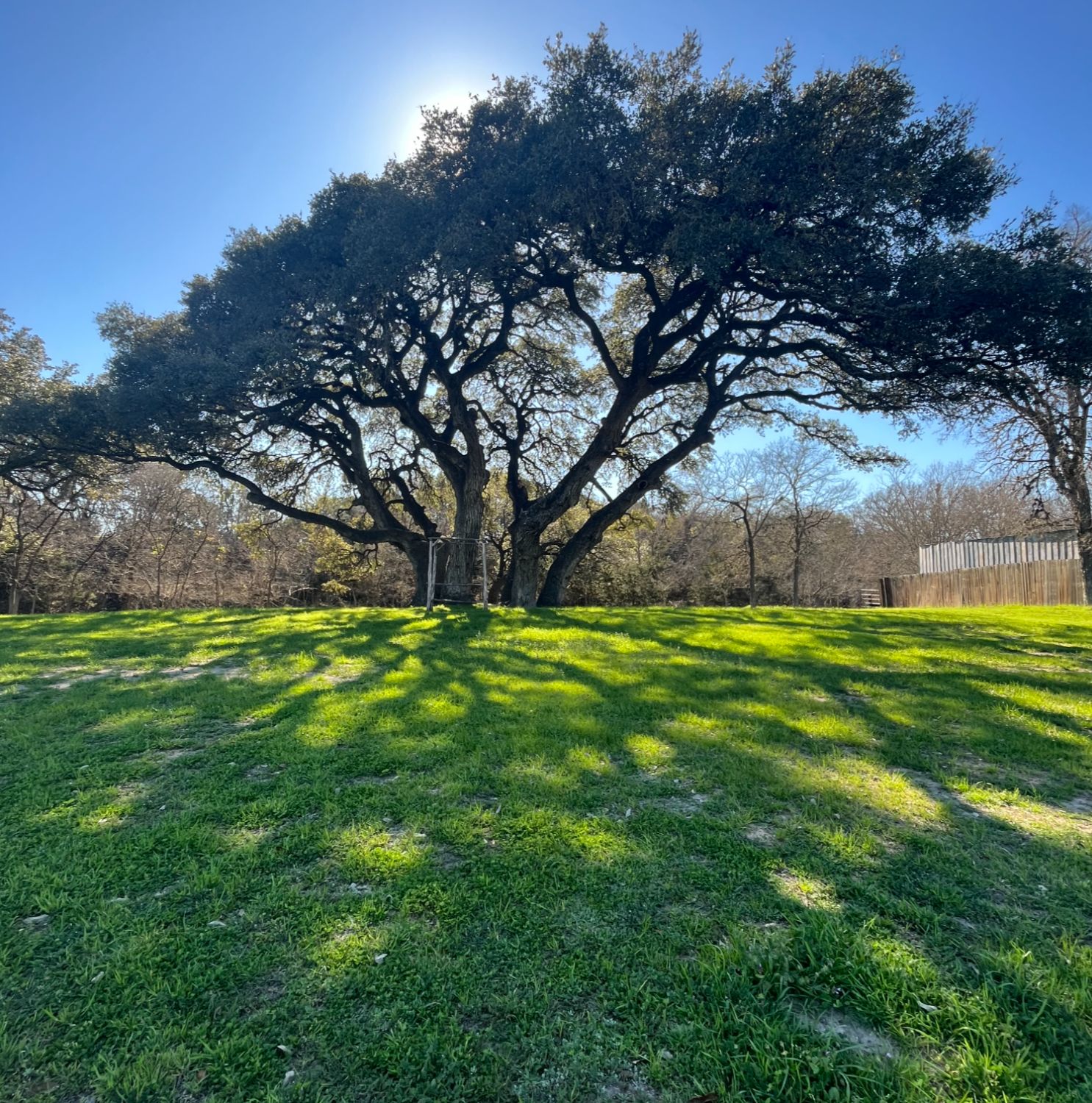
The Signature Tree of the Texas Hill Country
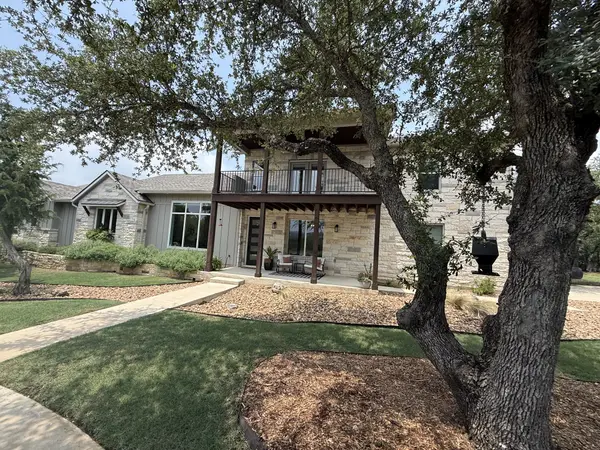
The Escarpment Live Oak (Quercus fusiformis) is more than a tree here — it is architectural. It shapes estates, frames long driveways, anchors ranch properties, and provides the kind of established presence that luxury buyers cannot replicate overnight.
Unlike fast-growing ornamental landscaping, mature live oaks represent decades — sometimes centuries — of growth. Their broad, sculptural canopies provide deep summer shade, natural cooling, privacy, and a sense of permanence that enhances both lifestyle and long-term property value.
In many high-end Hill Country neighborhoods and acreage properties, a mature oak canopy is considered a premium feature. It is part of what distinguishes Texas Hill Country real estate from more manicured suburban developments in other parts of the country.
But these iconic trees operate on their own seasonal schedule.
Why Live Oaks Turn Yellow in Early Spring
Live oaks are technically evergreen — but not in the way many buyers expect.
Rather than dropping all of their leaves in autumn like deciduous trees, live oaks retain their foliage through winter. Then, just as new growth begins to form in late winter, they shed their previous year’s leaves almost simultaneously.
For a brief window — typically late February through March in Central Texas — the canopy may thin dramatically. Leaves turn golden yellow or soft brown and fall steadily, often covering lawns, patios, and driveways.
To someone unfamiliar with Texas native trees, the transformation can look alarming. In cooler climates, yellowing leaves often signal disease or decline. Here, it signals renewal.
Within weeks, fresh green growth pushes outward, replacing the old foliage and restoring the dense canopy that defines Hill Country estates through spring and summer.
The timing simply feels counterintuitive: when everything else is blooming, the live oak appears to be letting go.
A Common Concern Among Relocation Buyers
For those relocating from California, the Northeast, the Midwest, or the Pacific Northwest, this seasonal shift can raise red flags during property tours.
We frequently hear thoughtful questions from buyers evaluating luxury homes and acreage properties:
“Should we have the trees inspected?”
“Is this oak wilt?”
“Will this affect long-term value?”
These are smart questions — especially when investing in higher-end real estate where mature trees are part of the property’s appeal.
The key is context. If you are touring homes in the Texas Hill Country in late winter and notice that virtually every live oak in the area looks similar — thinning canopy, yellow leaves underfoot — you are likely witnessing the normal spring leaf exchange.
Understanding regional patterns prevents unnecessary concern and helps buyers focus on what truly impacts value.
When Tree Health Truly Matters
Of course, Central Texas homeowners are rightly attentive to oak wilt, a serious fungal disease that can affect red oaks and, more slowly, live oaks. Responsible tree care — including proper pruning timing and protecting fresh cuts — is part of Hill Country property stewardship.
However, seasonal leaf drop in late February or March is not a symptom of oak wilt. True disease concerns typically present differently and outside this predictable annual cycle.
For luxury rural and semi-rural properties, mature live oaks are often a long-term asset. Their presence enhances privacy, moderates summer temperatures, and contributes to the organic, established aesthetic that many buyers specifically seek when moving beyond traditional suburban neighborhoods.
In short, the very trees that may look tired in early March are often among the most valuable natural features on the property.
The Value of Local Insight in Texas Hill Country Real Estate
Buying in the Texas Hill Country — whether in Austin/San Antonio or the surrounding rural-suburban communities like Dripping Springs, Wimberley, Blanco, New Braunfels, or surrounding acreage communities — means adapting to a landscape with its own rhythms.
Native limestone soils, well systems, septic considerations, wildlife exemptions, and tree health are all part of evaluating rural-suburban and luxury properties in this region.
The live oak’s spring shed is simply one of those regional nuances that underscores the importance of local expertise.
When buyers understand what is seasonal and what is structural — what is cosmetic and what is consequential — they make more confident decisions.
And within a few short weeks of that early-spring leaf drop, the same oaks that appeared “stressed” will be lush, dense, and casting the kind of shade that makes a Texas summer not just tolerable, but beautiful.
If you’re considering buying a "ruburban" home or acreage property in the Texas Hill Country and want guidance grounded in both real estate advisory and appraisal perspective, we’re always happy to help you interpret what you’re seeing — beyond the surface.
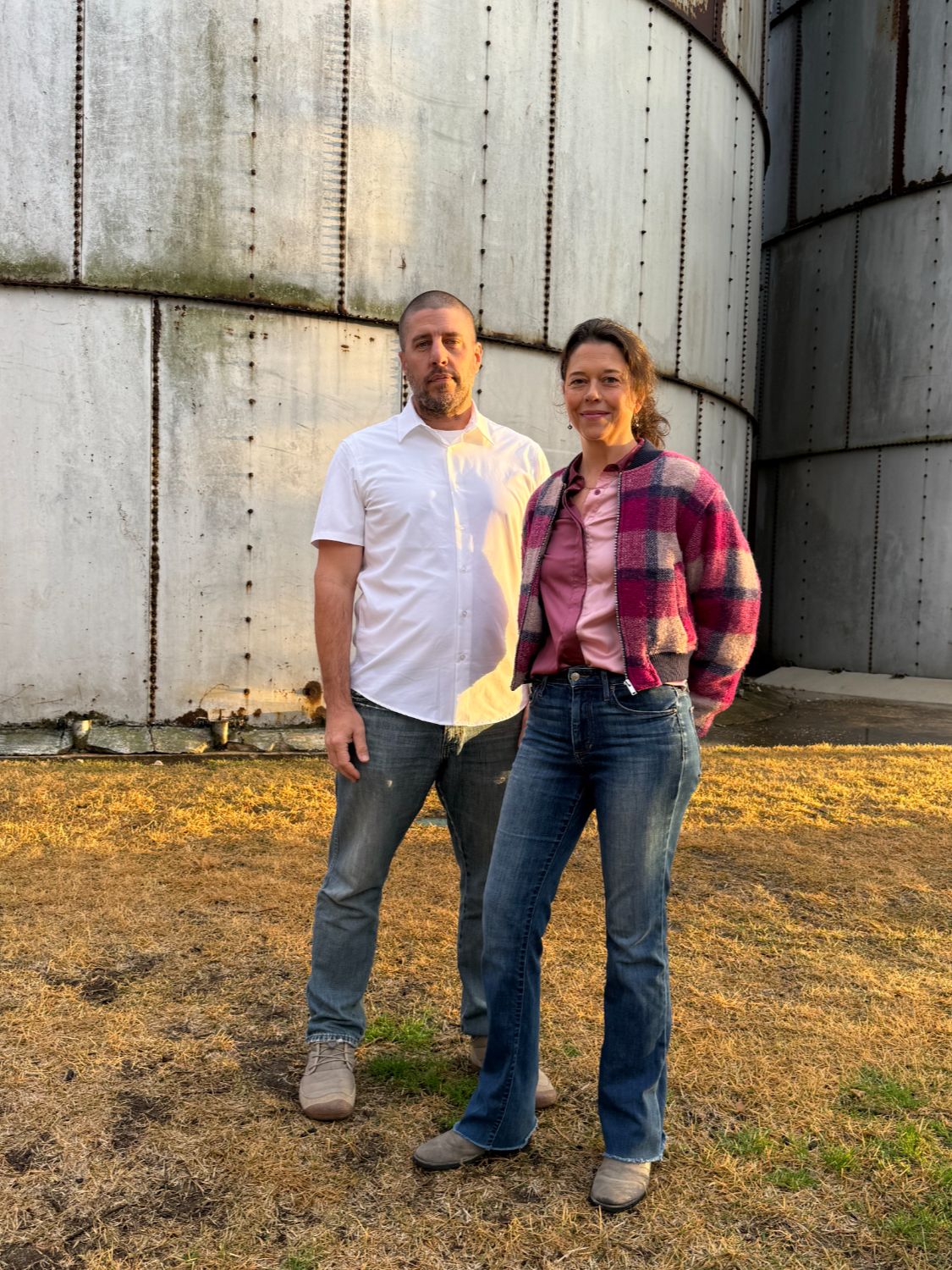
— Nate & Jill Powell
Integrative Real Estate Group
Real Estate Advisors & Residential Appraisers
Engel & Völkers Alamo Heights

Categories
Recent Posts






Advisor, REALTOR®, TRRS, Certified Residential Appraiser License ID: 754678
+1(512) 294-1320 | jill.powell@engelvoelkers.com